The skateboard helmet has a rich and evolving history tied closely to the rise of skateboarding itself.
In the early 1960s, skateboarding first gained popularity in California. Surfers began riding wooden boards with roller skate wheels on land. These early skateboarders rarely wore protective gear. Helmets were not yet considered essential.
During this time, safety equipment was not a major concern for most skaters. Injuries were common, but the culture prioritized freedom and rebellion. Helmets were bulky, uncomfortable, and associated with other sports like biking or hockey.
In the 1970s, skateboarding saw a surge in popularity. New tricks and skateparks emerged across the U.S. As the sport progressed, the risk of injury increased. Skaters began to realize the need for protection. However, helmet use remained low among street and park skaters.
By the late 1970s, competitive skateboarding was taking shape. Some organized events started to require helmets. Vert skaters, performing aerial tricks on half-pipes, began to wear helmets more often. Injuries from falls were becoming more serious and visible.
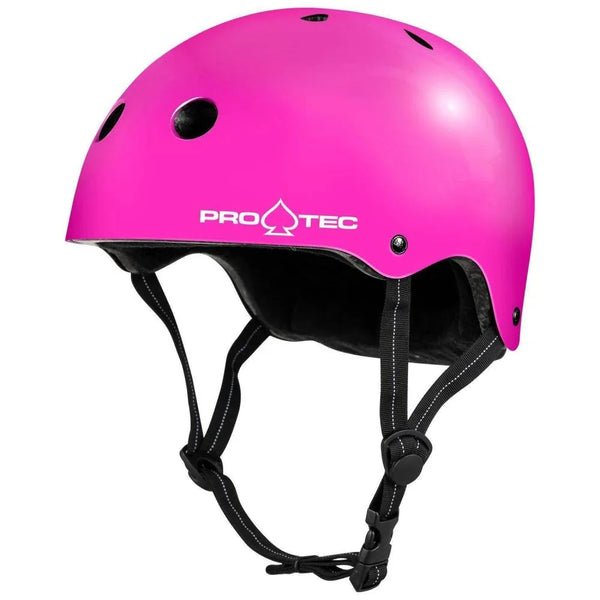
Manufacturers started to take note. Companies like Pro-Tec began producing helmets designed specifically for action sports. These helmets had a rounded shell and foam interior. They offered better impact protection and more comfort than earlier versions.
Despite these advancements, many street skaters in the 1980s rejected helmets. The punk-influenced skate culture valued risk and personal style. Helmets were seen as uncool or unnecessary by many.
In the 1990s, skateboarding evolved further. It entered the mainstream, appearing in video games and on television. With this exposure came new safety standards. Organizations like ASTM began setting helmet guidelines for skateboarding.
Professional competitions, such as the X Games, began enforcing helmet use. Young fans started seeing their favorite skaters wearing helmets on TV. This helped shift attitudes, especially among younger or beginner skaters.
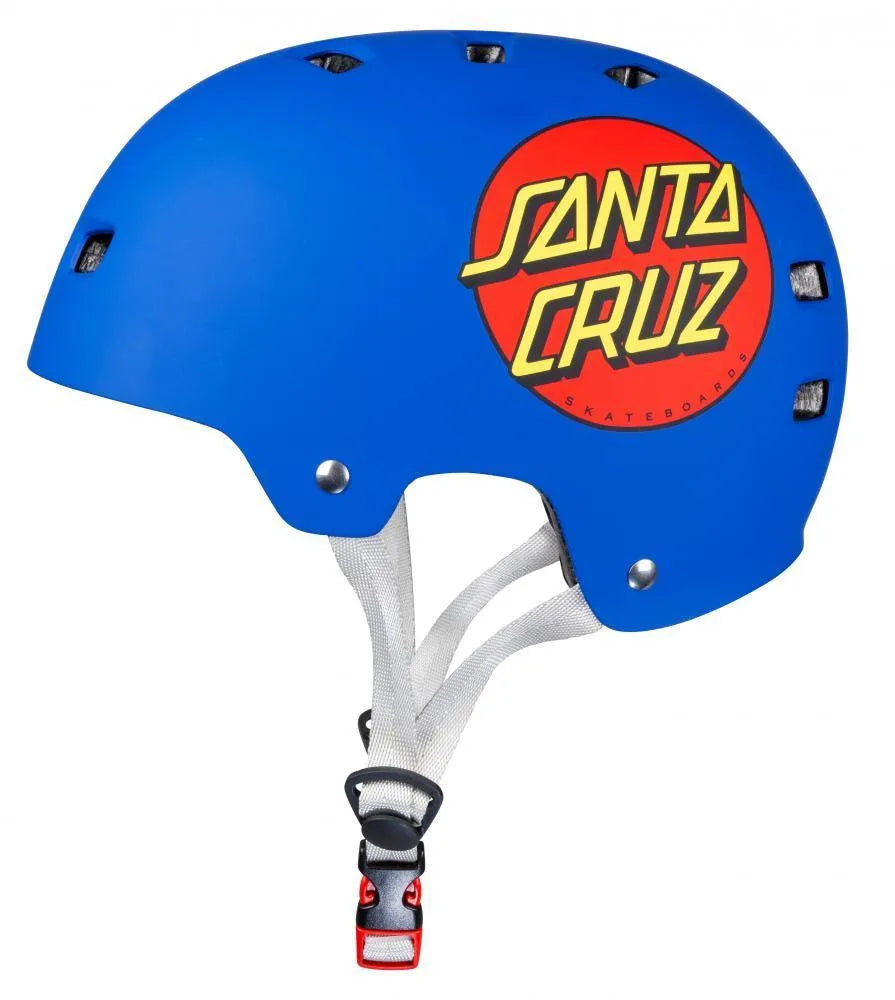
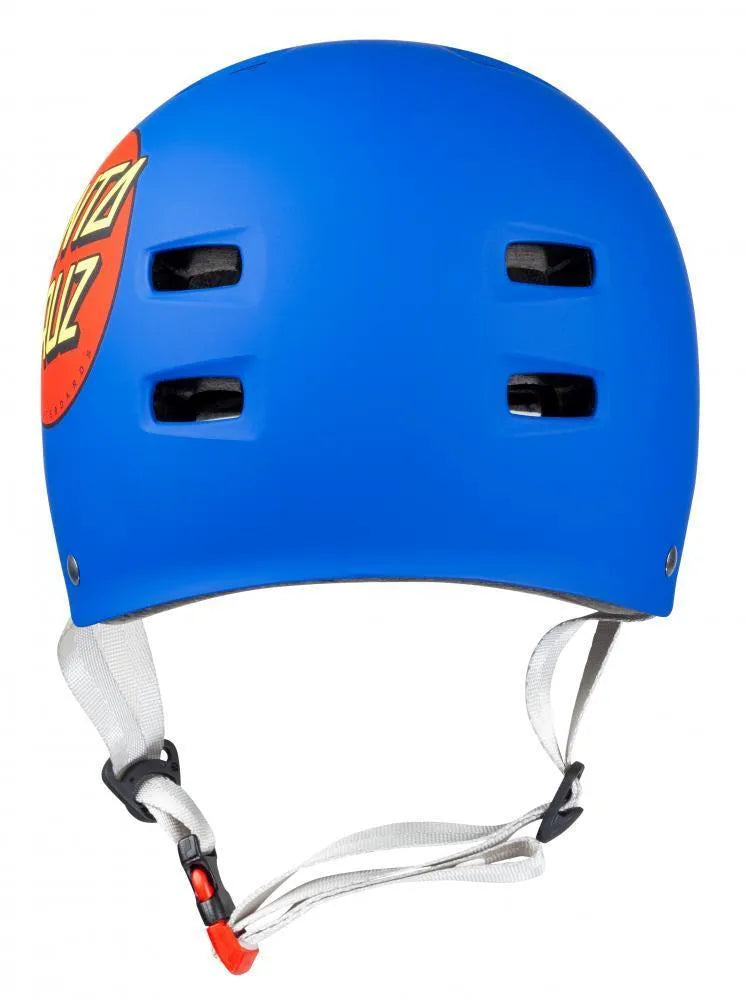
Technology also improved. Helmets became lighter, better ventilated, and more stylish. Some models featured graphics and collaborations with skate brands. These changes made helmets more appealing to fashion-conscious skaters.
In the 2000s, schools and local skateparks began requiring helmets for entry. Injury data highlighted the importance of helmet use. Public health campaigns promoted helmet safety, especially for kids and teens.
Laws in some regions started to mandate helmet use for minors. California, for example, passed a law requiring helmets for skaters under 18. These policies further normalized wearing helmets in skateboarding.
Today, helmets are a common sight at many skateparks. While some older skaters still go without, younger riders are more safety-conscious. Professional skaters like Tony Hawk and Lizzie Armanto have helped promote helmet use.
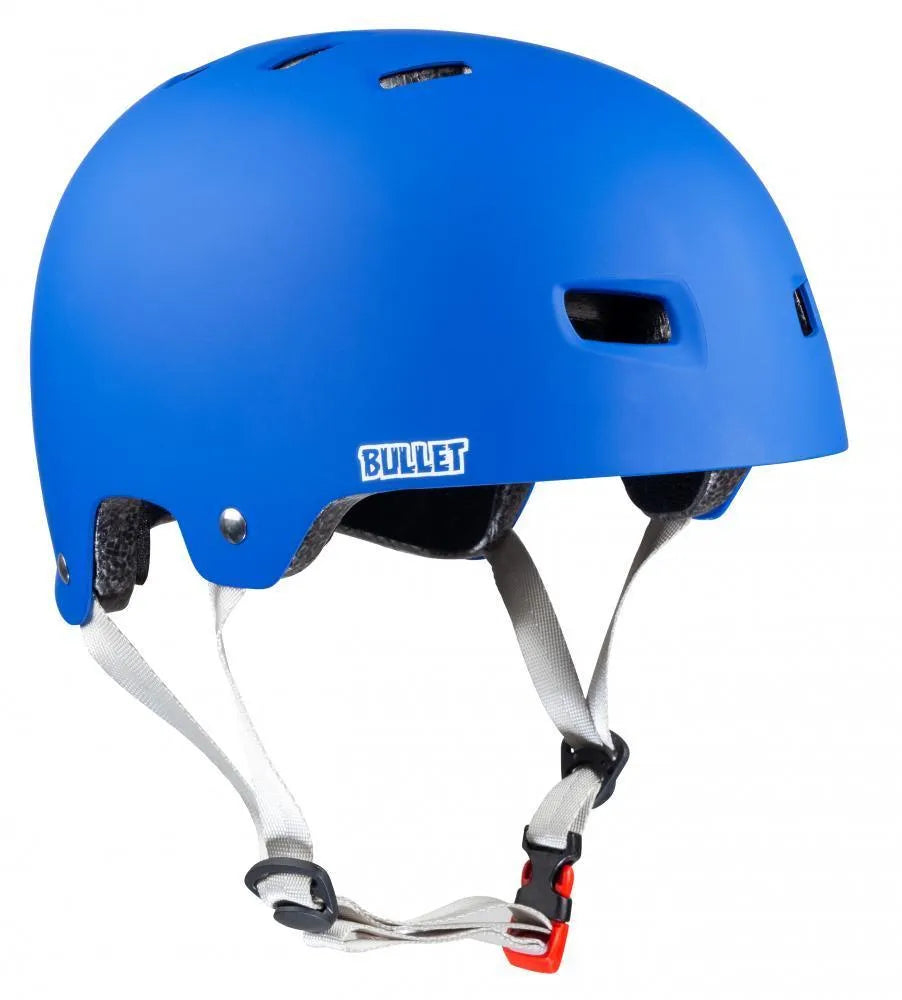
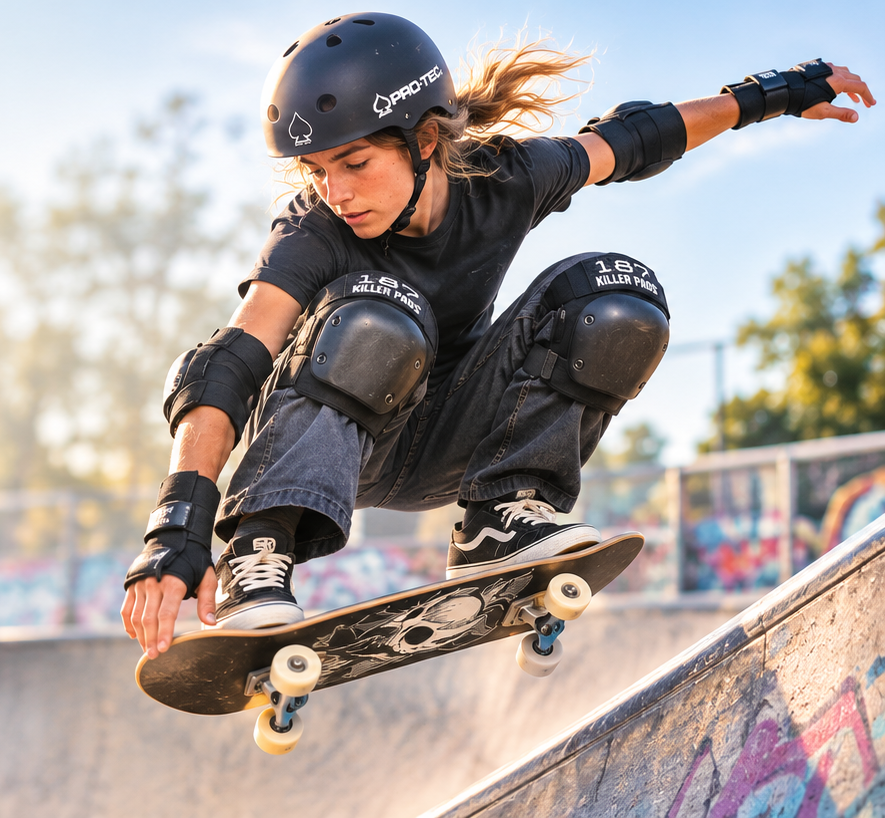
Modern skateboard helmets meet strict safety standards. They often use dual-density foam, hard shells, and advanced fit systems. Some models include features like MIPS (Multi-directional Impact Protection System) for added safety.
The skateboard helmet continues to evolve alongside the sport. As skateboarding becomes more inclusive and global, attitudes toward safety are shifting. More riders now see helmets as a smart, responsible choice.
In conclusion, the history of the skateboard helmet reflects the broader evolution of skateboarding culture. From rejection to acceptance, the helmet has earned its place in the sport. Its development has helped protect countless skaters over the decades.