Skateboarding is more than a sport. It is a culture, a form of art, and a way of life. People of all ages around the world enjoy it. The simplicity of a board and four wheels hides a deep world of creativity and skill.
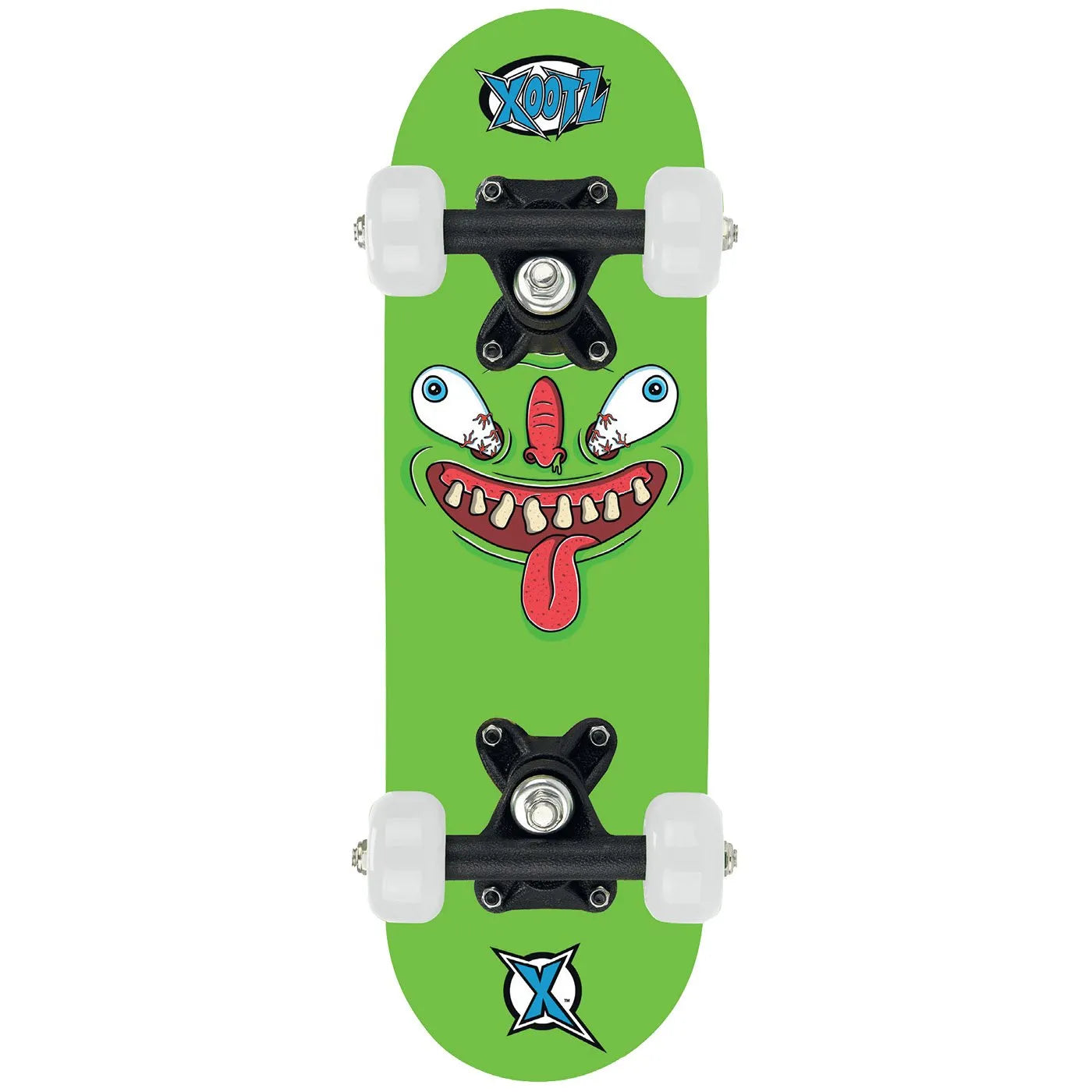
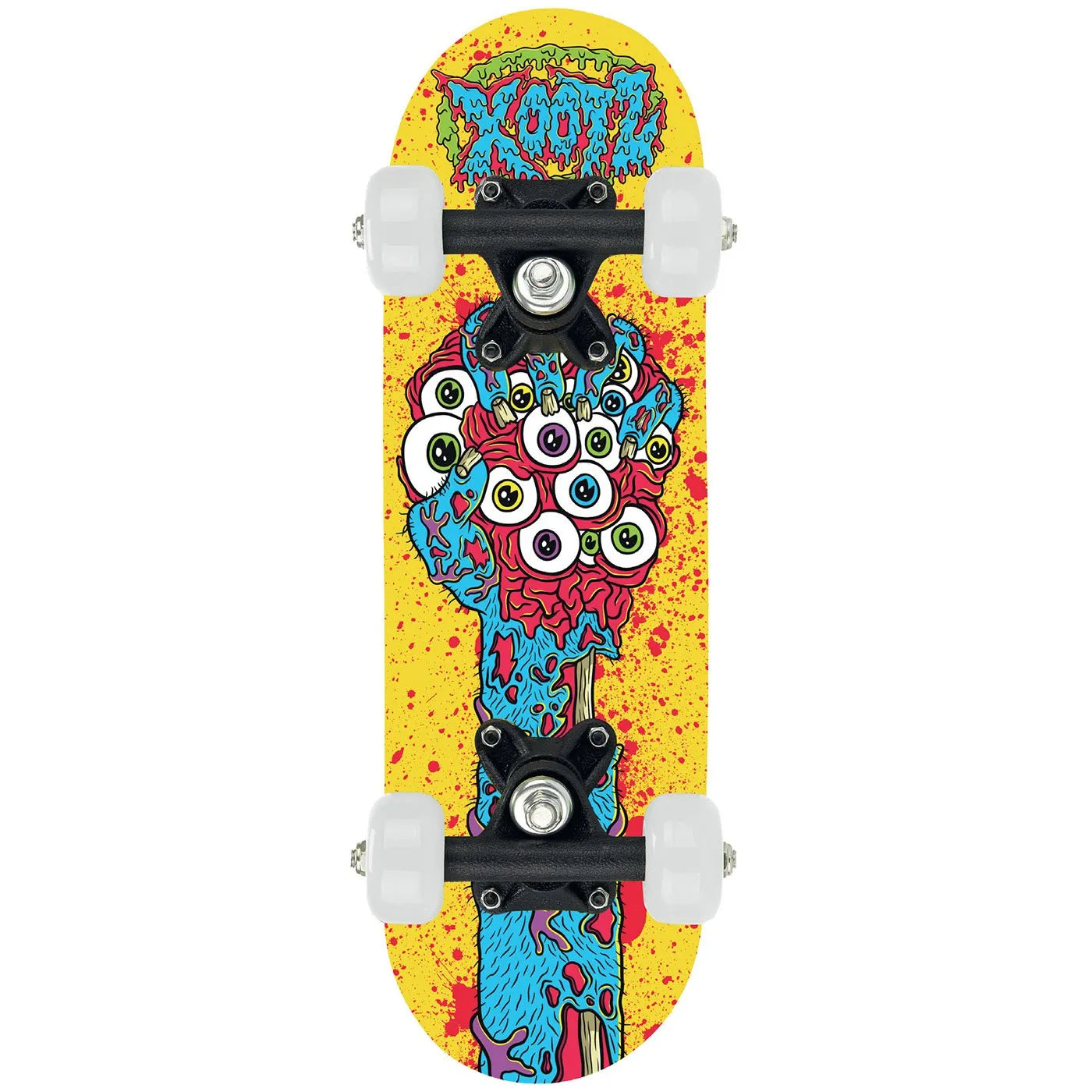
A skateboard is made of a wooden deck, metal trucks, and four polyurethane wheels. Riders balance on the board while rolling, turning, and performing tricks. Skateboarding began in California during the 1950s. Surfers wanted something to ride when the ocean waves were flat. They attached wheels to wooden boards and started “sidewalk surfing.”
The sport quickly grew in popularity. An eartly skateboard was small and unstable. Over time, better materials and designs made boards faster and stronger. By the 1970s, skateparks began to appear. These parks provided smooth surfaces and ramps designed for skating. A new generation of riders began pushing the limits of what was possible.
Today, skateboarding has many styles. Street skating focuses on urban obstacles like stairs, rails, and ledges. Vert skating takes place on large ramps and half-pipes. Park skating blends both styles inside modern skateparks. There is also downhill skating, where riders race down steep roads at high speed. Each style has its own challenges and rewards.
Learning to skateboard takes patience and balance. Beginners start by learning how to stand, push, and turn. Falling is part of the process, and protective gear is important. Helmets, knee pads, and wrist guards prevent many injuries. Once the basics are mastered, riders begin learning tricks. The most famous is the “ollie,” a jump where the skateboard lifts off the ground without using hands. This simple move is the foundation for hundreds of other tricks.
Skateboarding also has a strong creative side. Skaters express themselves through the tricks they choose, the way they ride, and the spots they find. Each person develops a unique style. Skate videos and photos share these styles with others. Music and fashion are also major parts of skate culture. Baggy clothes, sneakers, and bold graphics reflect freedom and individuality.
Skateboarding communities are friendly and supportive. Local skateparks bring people together to share skills and encourage one another. Many skaters describe the feeling of riding as freeing and meditative. The sound of wheels on pavement and the flow of motion create a deep sense of joy.
Professional skateboarding became popular in the 1980s and 1990s. Events like the X Games and Street League brought the sport to a global audience. Legendary skaters such as Tony Hawk and Rodney Mullen inspired millions. They showed that skateboarding could be both athletic and artistic.
In 2021, skateboarding became an Olympic sport for the first time. The Tokyo Games featured street and park competitions. This recognition brought new respect to skateboarding worldwide. Young skaters from many countries now train to compete at the highest level.
However, skateboarding still keeps its rebellious spirit. It has always challenged rules and redefined what sport means. Skaters turn ordinary city spaces into playgrounds. They see beauty and opportunity in concrete, rails, and empty pools. This creativity is one reason skateboarding continues to inspire new generations.
Sustainability is becoming part of modern skate culture too. Many brands use recycled materials and support community projects. DIY skateparks often transform unused land into vibrant public spaces. Skating can bring life, art, and friendship to neglected urban areas.
Getting started is easy. A beginner only needs a board, safety gear, and a safe place to ride. Consistent practice builds skill and confidence. Progress feels rewarding, even when small. Every new trick or smooth ride brings pride and excitement.
Skateboarding teaches perseverance and balance, both physical and mental. It helps people handle fear, learn from failure, and keep trying. The lessons learned on a skateboard often apply to life itself.
In the end, skateboarding is about freedom and self-expression. Whether rolling down a quiet street or flying off a ramp, the feeling is the same—pure joy. Anyone can ride, create, and belong. The world of skateboarding is open to all who dare to step on a board.




 LEARN
LEARN


 Fast Shipping
 Safe, Secure and Familiar Payment Options
  Interest Free Split Payments via Klarna & Clearpay