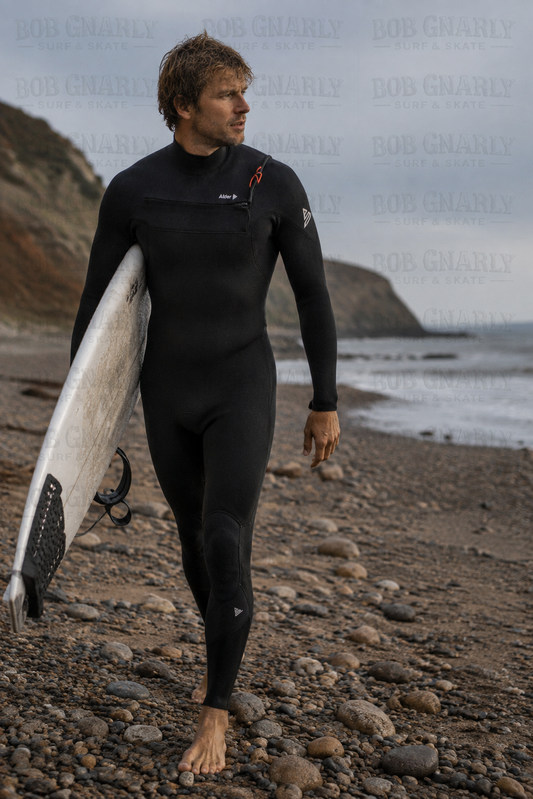
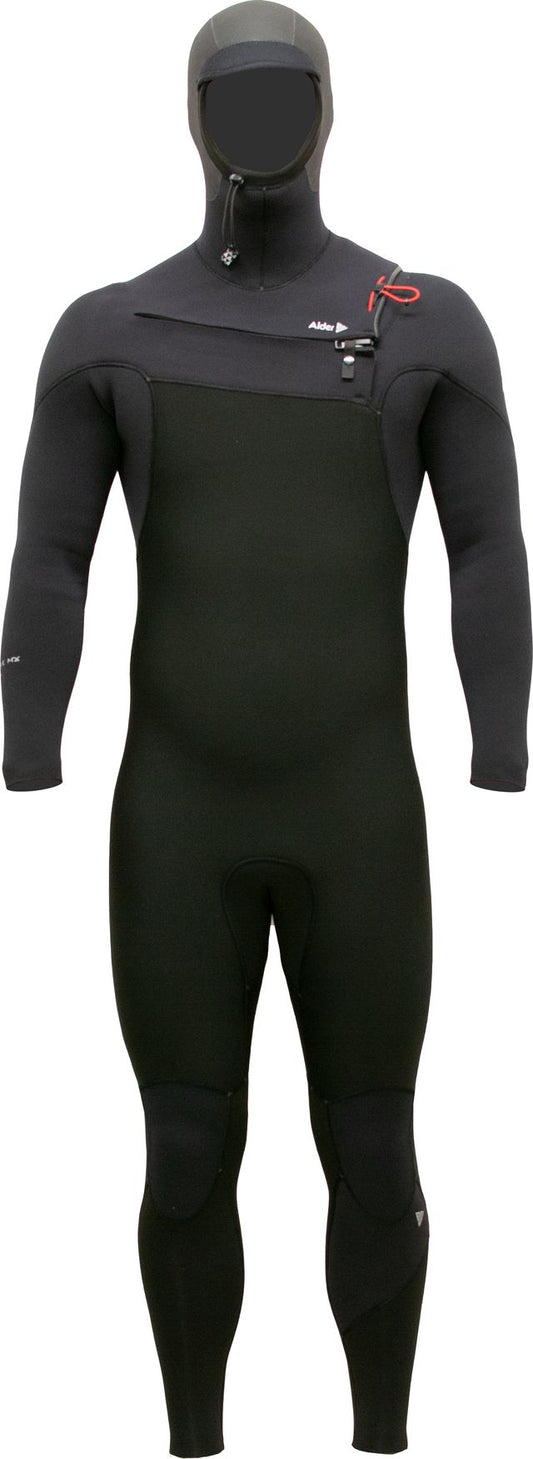
Black full-body winter wetsuit with hood hanging against wooden planks background

WINTER DOESN'T HAVE TO WIN

Winter Wetsuits

Winter wetsuits built for cold UK water, long sessions and the days when staying warm is the difference between surfing and staying home.

Bob Gnarly's Take

COLD WATER. NO EXCUSES.

Winter surfing rewards preparation. Choose the thickness for your local water, pay attention to fit and seal, and use boots, gloves and a hood when you need them. The goal is simple: stay warm enough to keep surfing.
More info

Winter Wetsuits

Surfing or paddling in UK winter waters can be brutal without  proper winter wetsuits. The sea temperatures often sit between 5–12 °C in winter, sometimes dropping lower. A good winter wetsuit is crucial because it traps a thin layer of water next to your body, warms it up, and insulates you against freezing water and cold wind chill. Without that insulation, the cold can sap your energy, cut sessions short, or even risk hypothermia.

Beyond warmth, high-quality wetsuits improve safety and comfort. A full-length suit with sealed seams reduces water flushing, letting you stay longer in the sea. It also preserves mobility — crucial when paddling, duck-diving or riding waves — and keeps core body heat from escaping when you rest or fall off your board.

Under UK cold-water conditions, thickness matters. Wetsuits in the 4–5 mm range are widely recommended for water around 9–12 °C. In very cold water — or when air temperature and wind chill add chill factors — a 5 mm (or thicker) suit with hood, boots and gloves is often essential.

If you browse a shop like Bob Gnarly Surf Shop, you’ll find good wetsuits options from brands such as Xcel and Alder, both respected among UK surfers and watersports users. 

Quick thoughts on those choices

  • Xcel Drylock or Infiniti 6/5 Hooded Wetsuit — One of the warmest suits available, with robust insulation and sealed seams. A great pick if you surf in harsh winter seas.

  • Xcel Axis 5/4mm Wetsuit — Solid all-rounder for UK winters: thick neoprene for warmth, but with flexibility for paddling and surfing.

  • Xcel Comp X Hooded Wetsuit 5.5/4.5mm — Combines high warmth with a hood and flexible neoprene — ideal for long winter sessions.

  • Xcel Comp 4/3mm Wetsuit — A lighter alternative for slightly milder conditions; may suit early winter or late spring if water is only moderately cold.

Why good winter wetsuits matter in the UK

The sea around the UK — especially in winter — is unforgiving. Cold water drains your body heat fast. Add wind chill and air temperature, and the cold intensifies. A well-fitting, well-insulated wetsuit protects your core temperature. That makes sessions safer and more enjoyable.

Firmer seals and hoods help keep water flushing out, which reduces heat loss. That matters especially if you fall off or spend long spells bobbing in the surf. In such situations, having a high-quality wetsuit isn’t just comfort — it’s a safety measure.

Also, using a good wetsuit lets you surf more often, even in shoulder or off-season. That means you get more time in the water, build skills, and enjoy the sport year-round — rather than waiting for summer sea temps.

Plus, shops like Bob Gnarly Surf Shop make it easy to find and try wetsuits from veteran surf brands like Xcel and Alder — and buy sizes suitable for your build. Bob Gnarly Surf

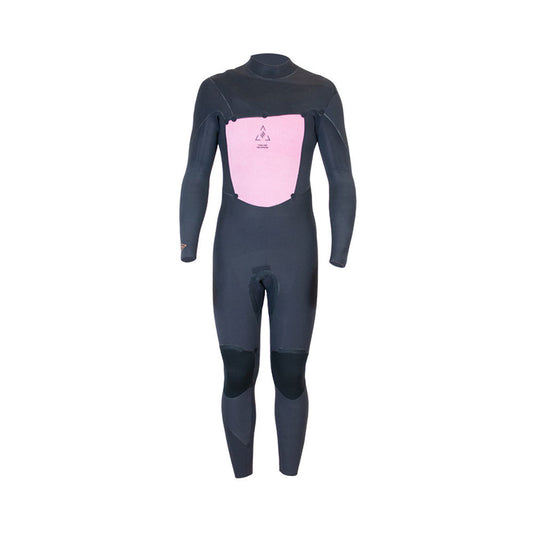
Winter Surf Checklist: What to pack and wear

Good wetsuit – Use a thick, full-body wetsuit. A 5/4/3 mm suit works well for UK winter conditions. Surfing England
Aim for neoprene with sealed seams, a snug fit, and minimal water flushing. 

Hood – Cold water cools your head fast. A neoprene hood keeps heat in, especially if the water or air is very cold. 

Boots (booties) – Wear neoprene boots so your feet don’t go numb. In UK winter, 5 mm boots are a common choice, though thicker boots add extra warmth. 

Gloves (or mittens) – Hands lose heat quickly too. Neoprene gloves (3–5 mm) help maintain grip and paddle control. For really cold days, mittens or thicker gloves may be worth considering.

Thermal base layer / rash-vest (optional but useful) – A thin thermal under-suit or rash-guard beneath your wetsuit can add insulation. Good if you get cold easily or want to extend session times.

Cold-water surf wax – Use wax suited for low temperatures. This helps with grip on your board when everything feels colder and wetter than in summer.

Warm-up & post-surf gear – Before getting in, do light stretches or warm-up to get blood flowing.
After surfing, rinse wetsuit in fresh water and hang it inside out to dry. A changing poncho, towel or a warm robe helps you stay warm while changing. 

Hot drink or snack afterwards – A hot drink or warm food after a cold session helps your core heat return and gives a quick morale boost.

Your UK Surfing Resource

Learn. Explore. Find Your Surf.

Everything you need to start surfing in the UK — from learning the basics and choosing your first board to finding the right surf school and getting into the water.

Bob Gnarly Learn To Surf UK Academy LEARN

Learn To Surf UK Academy

Step-by-step online surf lessons designed to take you from complete beginner to confident surfer — with practical, UK-focused knowledge along the way.

  • Beginner surf lessons
  • Surfing techniques & progression
  • Ocean & wave knowledge
  • Learn at your own pace
Start Learning →
Bob Gnarly Beginners Surf Hub UK EXPLORE

Beginners Surf Hub UK

Your growing library of beginner surf guides, equipment advice and practical knowledge to help you make better decisions before you hit the water.

  • Beginner surfboard guides
  • Equipment & buying advice
  • Surf tips & how-to guides
  • Everything beginners need to know
Explore The Hub →
Bob Gnarly UK Surf School Directory FIND

UK Surf School Directory

Find surf schools, instructors and places to learn across the UK. Discover local coaching and find the right place to begin your surfing journey.

  • Surf schools around the UK
  • Search by region
  • Beginner-friendly coaching
  • Lessons, courses & local knowledge
Find A Surf School →
Built by surfers, for surfers — helping more people discover surfing in the UK. 🌊