


Birdhouse Complete Skateboard Kit 8.25" Team Logo Black
Birdhouse Complete Skateboard Kit 8.25" Team Logo Black
Low stock
Couldn't load pickup availability
Birdhouse Complete Skateboard Kit 8.25" Team Logo Black
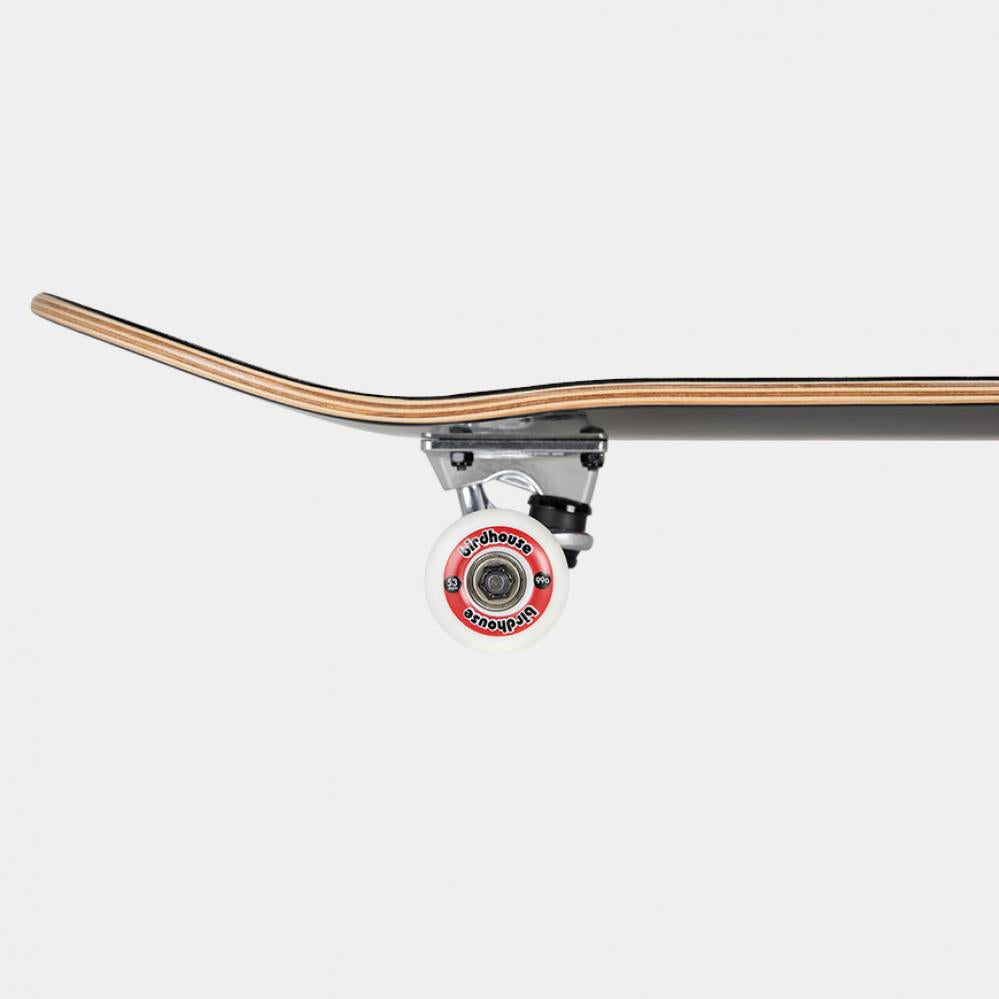
Upgrade your skateboarding game with the Birdhouse Complete Skateboard Kit. This ready to assemble skateboard kit includes high-quality decks, trucks, wheels, and bearings. Every component is carefully selected to provide a smooth and responsive ride for beginners and experienced riders alike.
Birdhouse Skateboard Kit Features
- 8.25 7 ply hard rock maple deck
- Sushi hollow kingpin trucks
- Birdhouse 53mm 99a wheels
- Sushi Abec 5 bearing
- Sushi bolts & grip tape
The Birdhouse skateboard deck is made from durable maple wood, offering excellent pop and long-lasting performance. Its premium trucks and wheels are engineered for stability and precise turns, making it perfect for street skating, park riding, or cruising around town.
Whether you are looking for a complete birdhouse skateboard deck or a professional-grade skateboard kit, this set delivers superior performance and value. The lightweight setup ensures effortless maneuverability while maintaining maximum control. Ideal for both kids and adults, it’s a skateboard for beginners that grows with your skills. The Birdhouse cruiser skateboard design also makes it comfortable for commuting and casual rides. Each component has been rigorously tested for strength and durability, so you can push limits safely.
With this professional skateboard kit, you get everything needed to start riding immediately. The deck is pre-gripped, and the wheels glide smoothly across various surfaces. The skateboard with trucks and wheels is perfectly balanced, reducing the risk of tipping during tricks. Its high-quality skateboard components offer long-lasting reliability, ensuring your skateboarding adventures are uninterrupted. Whether mastering ollies, kickflips, or grinding rails, this setup is built to perform.
Skaters will love the durable skateboard deck, which resists cracks and warping under heavy use. The lightweight yet sturdy construction allows easy transport without sacrificing strength. From beginner riders to seasoned skaters, this kit provides a solid foundation for all skill levels. The skateboard gear and accessories included in the kit are tailored to enhance your performance. Birdhouse’s attention to detail ensures every ride feels smooth, stable, and safe.
Whether you are a first-time rider or looking to upgrade, the Birdhouse Skateboard Kit ensures confidence on every ride. Every element of this kit is carefully crafted to enhance your skateboarding experience, making it one of the best investments for any rider.
Need More Help Or Advice?
If you’re looking for expert advice, tips, or guidance on anything surf or skate related, we’re here to help! At Bob Gnarly Surf, we love sharing our passion and knowledge to make sure you get the most out of your time on the waves or the board. Whether it’s choosing the right gear, learning new techniques, or simply getting some pro recommendations, don’t hesitate to reach out. The easiest way to get in touch is through our live chat—just click the blue button at the bottom of your screen. Our team is ready to answer your questions
Who Are Birdhouse Skateboards?
Birdhouse Skateboard is a well-known skateboard brand with deep roots in skateboarding culture. The company was founded in 1992 by Tony Hawk and Per Welinder. Both were professional skateboarders who saw the potential for a new kind of skate brand. At that time, skateboarding was in decline, and many companies were struggling to survive. Hawk and Welinder wanted to create a brand that supported professional riders while keeping the sport alive. They named the company “Birdhouse” as a nod to Tony Hawk’s nickname, “The Birdman.”
From the start, Birdhouse Skateboard focused on quality skateboards and a strong team. The brand aimed to capture the excitement and creativity of skateboard. Hawk and Welinder recruited skilled riders who could push the limits of what was possible on a skateboard. Their early team included Jeremy Klein, Willy Santos, and Andrew Reynolds. These riders helped shape Birdhouse’s image as a daring and progressive company. The team’s powerful video parts and contest performances built a solid following.
In the early years, Birdhouse stood out through its unique graphics and marketing. The brand mixed humor, art, and rebellion in its board designs. It connected with young skaters who wanted more than just performance. Birdhouse decks featured bold colors and creative designs that reflected the lifestyle of street and vert skaters alike. While other brands leaned toward trends, Birdhouse maintained a strong link to traditional skateboarding roots. This helped it earn respect from both old-school and new-school riders.
The company also became known for its team videos, which defined an era in skateboarding. In 1998, Birdhouse released The End, a film that became a classic. It featured dramatic stunts, heavy music, and cinematic production. The video pushed the boundaries of what skateboarding films could be. Riders like Heath Kirchart and Andrew Reynolds delivered unforgettable performances. The End helped Birdhouse reach a wider audience and inspired a new generation of skaters.
As skateboard gained mainstream attention, Birdhouse continued to grow. Tony Hawk’s personal fame played a major role in this success. His achievements in competitions and his video game series brought global recognition to Birdhouse. The Tony Hawk’s Pro Skater games introduced millions to skateboarding culture. Many players discovered Birdhouse boards and team riders through the games. This exposure helped the brand expand beyond core skate shops into a broader market.
Despite this commercial success, Birdhouse never lost its authentic skateboard identity. The company continued to sponsor talented riders who represented its fearless spirit. Over the years, skaters like Aaron “Jaws” Homoki, Ben Raybourn, and Clint Walker joined the team. These riders became known for their creativity and commitment to progression. Birdhouse’s focus on real skateboarding and genuine personalities kept it relevant through changing trends.
Birdhouse also remained active in contests and events. The team frequently appeared in tours, demos, and international competitions. They showcased the brand’s commitment to community and connection. Tony Hawk’s foundation work and outreach programs also reflected Birdhouse’s values. The company supported skatepark projects and youth initiatives around the world. This approach reinforced the idea that Birdhouse was more than a brand—it was part of a culture.
Today, Birdhouse continues to be a respected name in skateboarding. The company produces high-quality decks, apparel, and accessories that reflect its heritage. It stays true to the vision that Hawk and Welinder created in the early 1990s. Birdhouse represents both the history and future of skateboarding. Its mix of innovation, style, and authenticity has kept it strong for more than three decades.
From its humble beginnings during skateboarding’s low point, Birdhouse rose to become a global icon. It helped shape modern skateboarding while preserving the sport’s creative heart. Through its riders, products, and spirit, Birdhouse continues to inspire skaters everywhere. The brand’s dedication to progression and individuality ensures it will remain a vital part of skateboarding for years to come.
The History of Skateboarding
Skateboarding began in the 1940s and 1950s in California. Surfers wanted something to ride when waves were flat. They attached roller-skate wheels to wooden boards. These early versions of the skateboard had metal wheels and no real control.
By the 1960s, companies started mass-producing skateboards. Clay wheels replaced metal ones, improving grip and control. Skateboarding gained popularity, with the first professional competitions emerging. However, safety concerns led to a decline by the late 1960s.
In the early 1970s, polyurethane wheels revolutionized skateboarding. These skateboard wheels provided better traction and smoother rides. Skateparks started appearing, offering dedicated spaces for skaters. The Zephyr team, also known as the Z-Boys, pushed skateboarding’s limits. They introduced aggressive, surf-inspired moves in empty pools.
The late 1970s saw the rise of vertical skateboarding. Skaters like Tony Alva and Stacy Peralta popularized aerial tricks. Skateboarding became more extreme, with bigger ramps and riskier moves. By the early 1980s, skateparks started closing due to liability issues.
Street skating grew in response to the lack of skateparks. Skaters adapted urban environments like curbs, rails, and stairs. Rodney Mullen pioneered technical tricks, including the kickflip and ollie. His innovations shaped modern street skating.
The 1990s saw skateboarding explode in mainstream culture. Video games, clothing brands, and skate magazines fueled its popularity. The X Games, launched in 1995, gave skaters a global platform. Tony Hawk became the face of skateboarding with his high-flying tricks.
By the 2000s, skateboarding was a billion-dollar industry. Skaters like Paul Rodriguez and Nyjah Huston emerged as stars. More cities built skateparks, recognizing skateboarding’s cultural significance. Skateboarding became an Olympic sport in 2021, proving its worldwide appeal.
Today, skateboarding continues to evolve with new tricks and styles. Social media allows skaters to showcase their skills globally. Skateboarding remains a creative and rebellious expression of individuality.
Share


FAQs
Got a question? We are here to answer

 Fast Shipping
 Safe, Secure and Familiar Payment Options
  Interest Free Split Payments via Klarna & Clearpay